
What if we learnt to grieve together?
Written by Christina Watson.
This winter we are offering a series of collective grieving workshops at Neighbourhuud.
So, what do we mean by grieving together, what does it look and feel like and why is it important in these times? In this blog, Christina and Lucy from The Slow Work Garden share their thoughts.
This world needs people
who can find a tunnel
with no light at the end of it
and hold it up like a telescope
to show that the darkness
contains many truths
that could bring the light to its knees.
Grief Astronomer,
adjust the lens. Look close.
Tell me what you see
— Andrea Gibson
In the west, we live in a largely grief-phobic culture. Society tells us who has permission to have grief, and what about. That grief is one-dimensional, linear, with an endpoint, and we must do it alone. That grieving is for others, and to be avoided, especially in a work context – it’s too loud, too messy, irrelevant; something to be cleaned up, fixed, hidden.
As practitioners, our experience of grief could not be further from these stories. Grief is often loud and messy, it’s cyclical, existential, layered and foundation shifting. We see a deep connection between grief and creativity, grief and love, grief and compassion, grief and imagination and crucially, grief and community. This incongruence between what society tells us grief is, and what we know from our lived experience, can often be one of the most painful parts of grieving in our culture.

In our society the word “grief” is also commonly reserved for the death of a loved one and, whilst bereavement is one of life’s biggest griefs, it is not the whole territory of grief. Francis Weller’s Five Gates of Grief offer us an expansive view of grief that can come from many branches of our humanity:
The First Gate: Everything We Love, We will Lose
The Second Gate: The Places That Have Not Known Love
The Third Gate: The Sorrows of the World
The Fourth Gate: What We Expected and Did Not Receive
The Fifth Gate: Ancestral Grief
In recent years Sophy Banks, founder of Healthy Human Cultures, added another gate:
The Sixth Gate: The Harm We Have Caused Ourselves and Others
Opening the door wide to grief in this way allows us to be with its interconnectedness and welcomes in sources of grief that may have been “disenfranchised” if the culture we lived in told us it was not valid – the death of a pet, the end of a relationship, estrangement from family members, as examples. One of the most powerful things we observe in tending grief in groups is that it gives permission to people to tend to all parts of ourselves. In communal grieving we try to resist the hierarchy of grief, and welcome our pain as real and valid.
“Grief has always been communal, always been shared and regarded as a sacred process. Too often in modern times our grief becomes private, carrying an invisible mantle of shame forcing our sorrow underground, hidden from the eyes that would offer healing. We need to restore the conversation we need about the place of mourning in our lives. Each of us must undertake a learning with loss”
— Francis Weller
Building on the work of elders, poets and practitioners such as Sophy Banks, Sobonfu and Malidoma Somé, Francis Weller, Camille Sapara Barton, Joanna Macy, Vanessa Andreotti, adrienne maree brown, Bayo Akomolafe, Andrea Gibson and many others, we believe, that grieving together is an essential part of what it means to live and work in these times. Our grief, when acknowledged and tended to together, can be a truly creative and connecting force that allows us to explore the deeper parts of ourselves, access our soul-work, and reshape the ways we understand and move in the world.
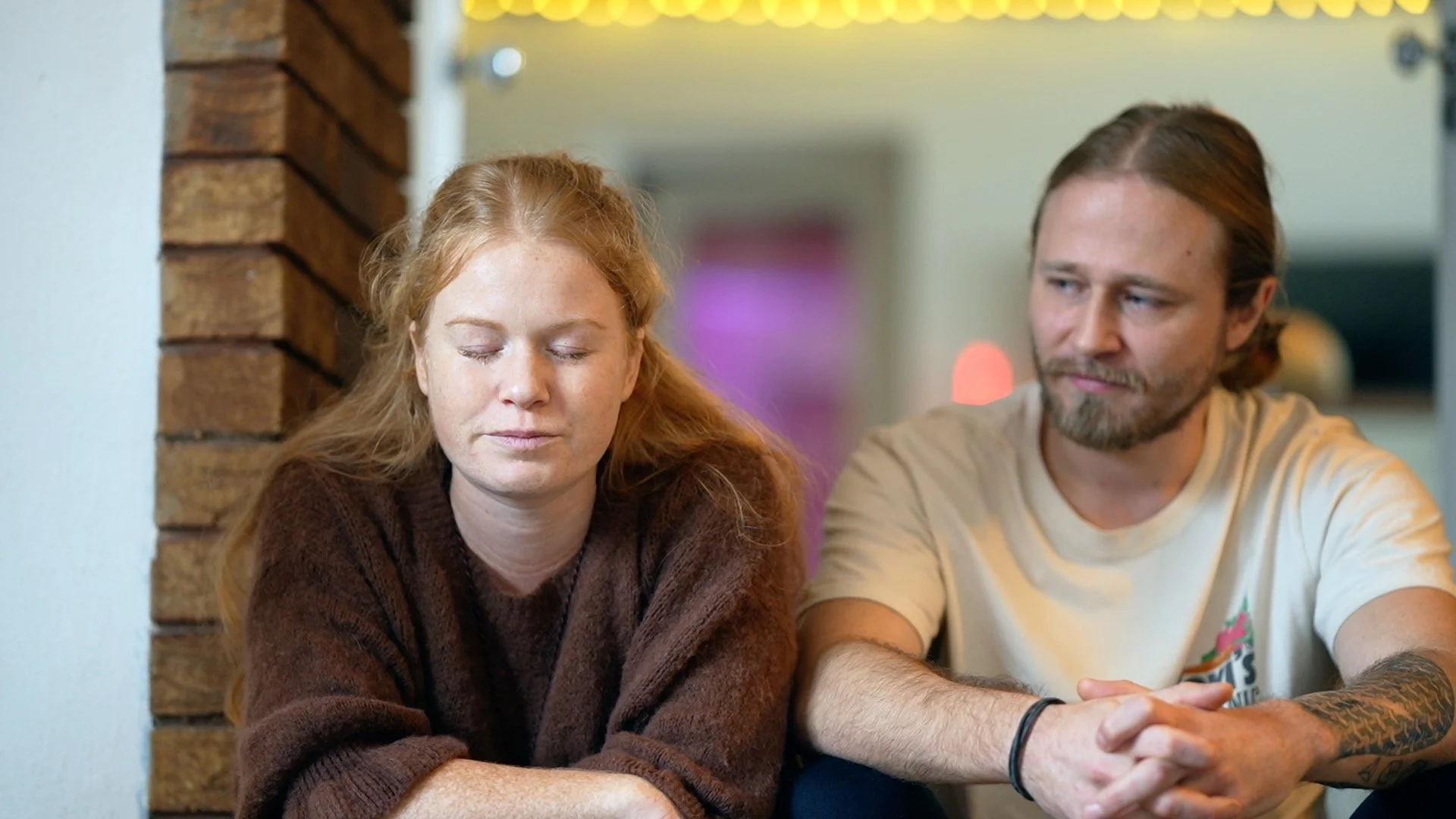
Grief Tending in Practice
Tending to our grief is a practice and, like any practice, it changes each time you step in and builds over time. Following Sophy Banks’ Apprenticing to Grief model, our grief tending workshops follow a holding structure, using the metaphor of grief as a river.
Sophy trained with Sobonfu Somé from the Dagara Tribe of Burkina Faso. In Sobonfu’s village, grief tending is a weekly ritual that has been practised for at least 10,000 years. The Dagara’s wisdom teaches that when individual grief goes untended to, it is harmful for the whole village, and therefore grieving must be held collectively.
Building the banks of the river – connecting to what supports us, as individuals and as a group
Turning towards grief – practices that stir our grief and bring it to the surface
Expressing and witnessing – giving space for grief to be expressed and moved, accessing the flow of the river
Soothing – grounding and embodied practices that soothe the nervous system
Going forth – preparing to return to the default world, perhaps with new insights or something to hold onto
Grieving is a natural process in the human experience, but most of us have not been shown how to grieve. Grief tending offers a space to learn and remember these practices alongside others. It is a coming home to ourselves, to our vulnerabilities and our resources, and to our full humanity.
“Each session, whether virtual or in-person, was like a warm bath. I can recommend anybody, whether you are going through acute grief, thinking about past losses or are interested in the topic, to be part of this community of deep care and listening.”
– Grief Tending Participant
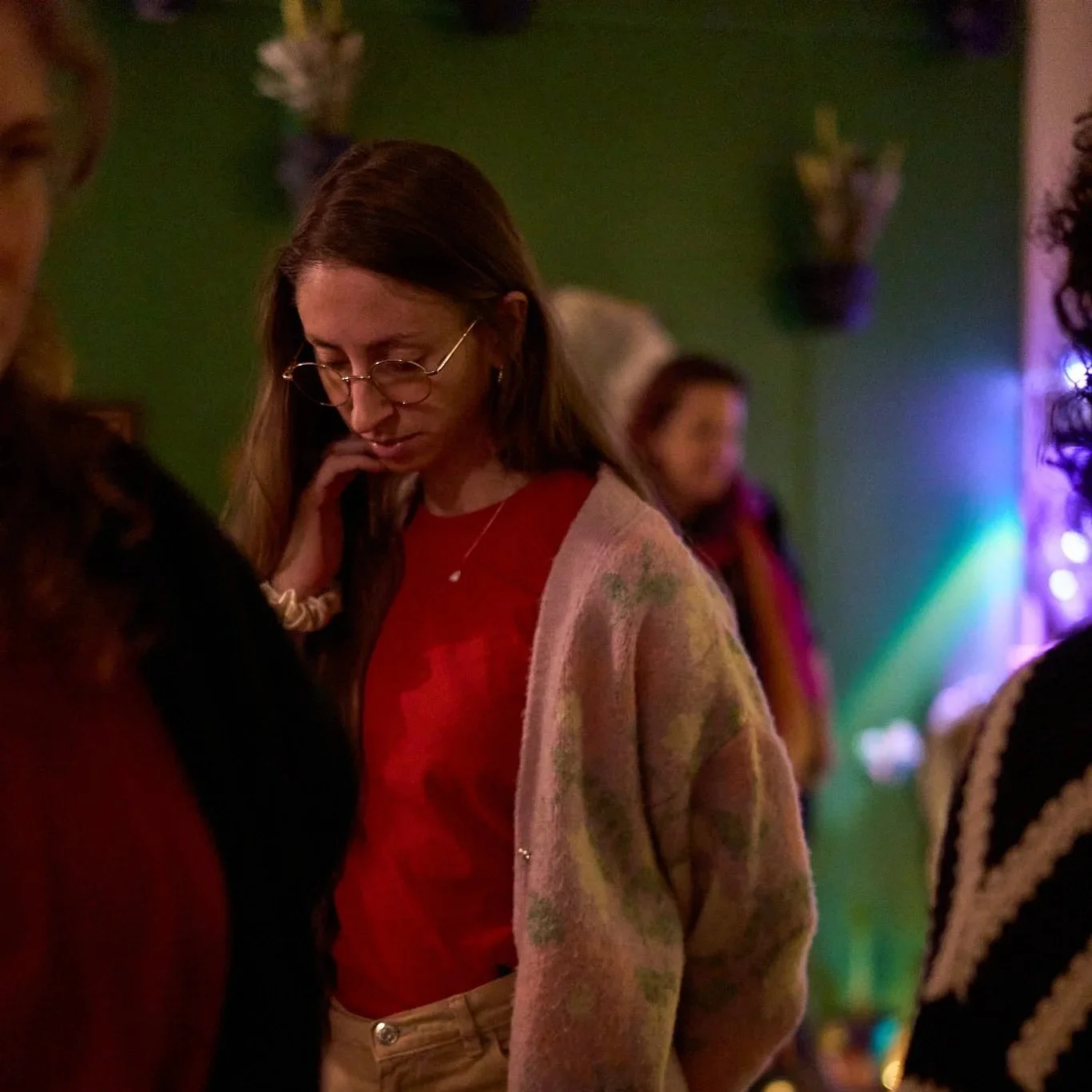
Current Sessions at Neighbourhuud
Grief & Creativity Learning Journeys
Lucy and Christina from The Slow Work Garden are currently hosting a three-month group learning journey exploring the expansiveness of grief through the lens of seven different creative practices – Care, Hands, Time, Embodiment, Poetics, Relationship, and Ritual.
The journey runs from Oct-February 26 and they will likely be hosting their next group in early Spring. To join the waitlist, please click here.
Grief Tending Workshops
Dancing our Grief - Weds 10th December 6-9pm
Drawing on various ecstatic dance and meditation movement practices with the guide of a musical journey, this practice invites you to explore your grief, of all kinds, through the body. We'll create space to access more of the physical and emotional intelligence that’s inside of you through bringing awareness to the way you move, feel and think.
Public tickets here
Member Booking here
Singing our Sorrow - Weds 14th January 6-8pm
Singing is a powerful practice for grieving, it can both evoke our grief and soothe our grief concurrently, helping us to feel with and through the grieving process. In this practice we will sing songs together that encourage us to be with our sorrow, allow emotions to surface and move. There will also be space for people to share meaningful songs to them and their grief.
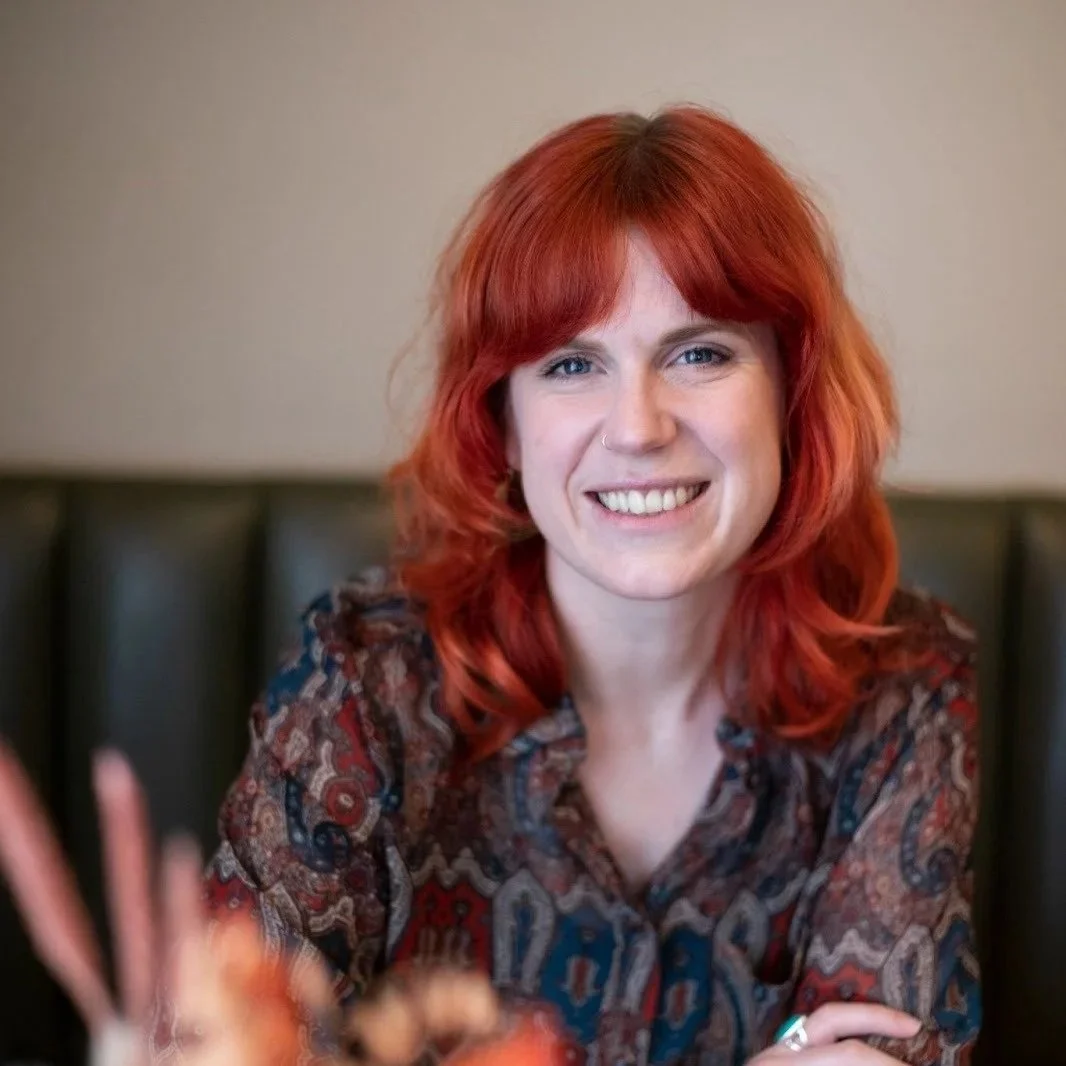
Christina Watson (she/her)
Christina is a Brighton-based programme designer and facilitator, keen singer, sea swimmer and proud aunt. She has spent the last 15 years designing and delivering educational programmes for young people and adults ranging from mental health and wellbeing, climate action, women’s empowerment and creative arts.
Christina came to grief work in 2022 when she embarked upon the Host Fellowship with Huddlecraft. Inspired by her experience of being bereaved as a child and wanting to explore her own grief, she created the “Death x Life Huddle” - a creative exploration of our relationship with death, loss and grief. 12 curious mortals journeyed together for 6 months in search of creative, generative ways into our relationship with these dark and potent places. In 2023 she trained in Grief Tending on Sophy Bank’s “Apprenticing to Grief” Programme. Christina is a deeply caring facilitator, committed to creating tender and joyful spaces for our grief and our love in equal measure.